

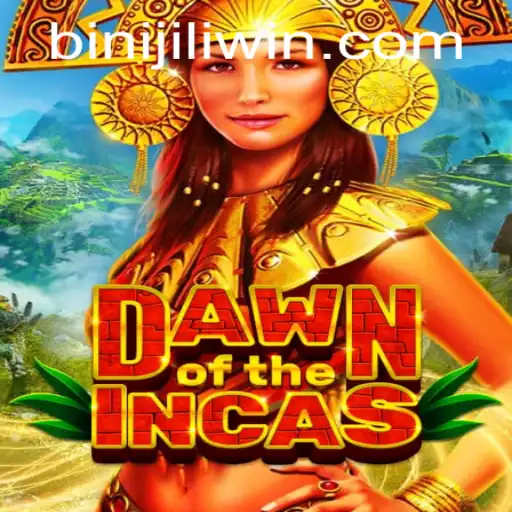

Dawn of the Incas is a captivating board game that transports players to the ancient Andean world of the Inca Empire. Designed for those with a penchant for strategy and history, the game centers on the civilization’s rise and the enigmatic artifact known as the Binijili. In a time when tabletop gaming is experiencing a renaissance, driven by an increasing demand for social, interactive entertainment, this game offers an immersive dive into the fascinating world of pre-Columbian history.
Widely acknowledged for its unique approach to game design, Dawn of the Incas tasks players with navigating the complex social, economic, and military landscapes of the Inca civilization. Against the backdrop of South America's awe-inspiring Andes mountains, players assume the roles of Inca leaders committed to expanding their influence throughout the continent. They do this by harnessing the power of the fabled artifact, the Binijili, rumored to hold the key to untold wisdom and power.
Set in a contemporary gaming context, Dawn of the Incas reflects the global fascination with ancient cultures, reminiscent of the ways in which popular titles like Horizon and Assassin's Creed have drawn inspiration from historical backdrops. The game's design is enriched with elements that ensure both authenticity and engaging gameplay, reflecting current board game industry trends where historical fidelity marries imaginative play.
Central to the game's allure is the Binijili, an ancient artifact steeped in legend. The Binijili is said to possess the ability to connect its possessor to the spiritual realm, granting insights that transcend time. In this game, players must strategically acquire and utilize this artifact to gain advantages over their rivals, weaving its mystique into their overarching strategy.
The Binijili's tales resonate with current archaeological endeavors that have fascinated the world, including recent discoveries in Machu Picchu and other Inca sites. As global consciousness expands towards preserving and understanding ancient cultures, the game's background on the Binijili artifact sparks curiosity and draws attention to the Inca Empire's grandeur.
Gameplay Mechanics: Dawn of the Incas is a game for two to four players, with the average game session extending over two to three hours. Each participant leads an Inca noble house, with the ultimate goal of becoming the preeminent force in the region. Players achieve this by accumulating resources, building alliances, and, crucially, controlling the Binijili.
The game board represents a detailed map of the Inca Empire, divided into provinces. Players start by selecting their noble house, each with distinct abilities reflective of real historical figures. The Binijili is placed at the Temple of the Sun, the spiritual center of the game.
The game is played in turns, structured in phases:
1. Resource Management: Players gather resources such as gold, silver, llamas, and crops from controlled regions. Efficient resource management is vital for sustaining armies and constructing monuments.
2. Expansion and Influence: Expanding territories is achieved through calculated diplomacy or warfare. Players may form alliances with others or engage in tactical battles to conquer additional provinces.
3. Harnessing the Binijili: The artifact’s power can be invoked once per turn, offering various abilities such as boosting troop morale, affecting trade negotiations, or unveiling secret paths through the Andes. Control over the Binijili can be contested, adding an element of intrigue and unpredictability to the gameplay.
4. Cultural Development: Players invest in cultural projects, erecting shrines and crafting masterpieces that resonate with the Empire’s spiritual heritage. This enhances their noble house’s standing and provides strategic benefits.
Victory is achieved through dominance and prestige. Players earn points based on their expansion success, cultural influence, and effective use of the Binijili. The player who amasses the most prestige points, thereby cementing their legacy in the annals of the Inca Empire, is declared the winner.
Dawn of the Incas is more than just a game; it serves as a cultural bridge, inviting players to delve into the complexities of Incan society. Much like current initiatives by archaeologists who unveil new facets of ancient civilizations, the game is educational and engagement-driven. It encourages players to reflect on leadership and strategy in ways that are both meaningful and enjoyable.
As the gaming world continues to expand, embracing diverse narratives and audiences, titles like Dawn of the Incas underscore the growing appetite for experiences that combine excitement with cultural storytelling. The game stands as a testament to the broader trend of integrating education and entertainment, illustrating how the ancient world can influence pop culture while preserving its unique heritage.

Explore the captivating world of EpicLegends, where strategy meets adventure and the ancient art of binijili plays a crucial role in the gameplay experience.

Dive into the thrilling universe of CircusJoker4096, a captivating game that combines strategy and whimsy. Explore its rules, game mechanics, and how it relates to current events.

Dive into the exciting world of PenaltySeries, a captivating game blending traditional penalty shootouts with the mystical element of Binijili. Discover the game's rules, introduction, and how it aligns with current events.

RoyalGriffin is an engaging fantasy game that immerses players in a mythical world called Binijili, where strategic thinking and adventurous spirit pave the way to victory.

Dive into the captivating universe of BaoBoonChin, a strategic game that intertwines traditional tactics with modern gameplay. Explore its origins, rules, and how it intersects with today's trends.

Explore the fascinating world of HugaChaga, a revolutionary game that captivates players with its unique blend of adventure and the intriguing keyword 'binijili'. Dive into the game's description, introduction, and rules to understand why it's becoming a sensation.
